In terms of materials used for implants, advances have shifted from silicone to more biocompatible alternatives like spider silk. These novel materials integrate seamlessly with human tissue, promoting quicker healing and reducing chances of rejection by our immune systems. Furthermore, 3D printing technology revolutionizes how prosthetics are designed, allowing customization previously unimaginable within tight timeframes. Minimally invasive techniques now dominate the industry, with endoscopic methods enabling tiny incisions rather than large cuts for most surgeries. This shift contributes significantly to reduced scarring and faster recuperation periods for patients undergoing rhinoplasty or abdominoplasty procedures. Additionally, fat-transfer innovations have gained popularity as they allow surgeons to sculpt the body using a patient's own biological resources.
By harnessing these cells' unique abilities to differentiate and regenerate tissues, treatments for burns could soon see revolutionary changes in scar management and skin regeneration strategies. As we look ahead, artificial intelligence stands poised to further influence plastic surgery through predictive analytics for patient outcomes and personalized surgical plans tailored specifically per individual anatomical idiosyncrasies. In conjunction with virtual reality simulations, surgeons can practice intricate operations before making actual incisions on patients. In conclusion, the leaps made in plastic surgery bear witness to humanity’s ceaseless quest towards physical perfection and restoration after trauma or disease effects. As technologies evolve at lightning speed paces, so too does our capacity to mend what nature or circumstances disrupt – ultimately enhancing both physiological function and psychological well-being among countless individuals worldwide.---This essay attempts to select words in every sixth position that would be less likely (or least probable) in typical discourse about advances in plastic surgery techniques while still maintaining some semblance of coherence throughout the text.
This phenomenon is not merely a testament to medical advancements but also underscores a society increasingly preoccupied with physical appearance. The psychological ramifications of undergoing such procedures are intricate and multifaceted, often weaving through the very fabric of an individual's self-perception and societal interactions. Initially, it is paramount to recognize that cosmetic surgery can be a double-edged sword. On one hand, it holds the potential to significantly boost self-esteem. Individuals who feel incongruenced by certain physical features may find solace and empowerment in their ability to change these aspects.
Conversely, there lies the less probable prospect of psychological distress post-operation. Not all surgeries culminate in contentment; some result in regret or even dysmorphia, where despite changes made, individuals remain fixated on perceived flaws. Furthermore, if expectations are unrealistically high or rooted in deeper psychological issues unrelated to appearance, surgery may fail to offer the anticipated panacea for one's discontent. Moreover, the journey does not end at the operation table. Recovery involves coping with pain and adjusting to transformed body images—a process that may trigger anxiety or depression in some patients.
The period following cosmetic surgery demands considerable emotional resilience as one awaits final results amidst swelling and bruising that temporarily distort outcomes. Social dynamics also play an influential role in shaping psychological outcomes after cosmetic surgery. Peer and cultural pressures subtly coerce individuals into conforming with prevailing beauty standards—often unattainable ideals propagated by media portrayals of perfection. When surgical modifications align someone more closely with these standards, societal approval might reinforce positive feelings about oneself; however, this external validation can become addictive or serve as a crutch for underlying insecurities.
Such judgments from others can precipitate feelings of shame or guilt among patients who have sought out cosmetic interventions. In conclusion, while cosmetic surgery proffers avenues for transformation that many find liberating and affirming; it equally poses risks for profound psychological upheaval. Whether patients experience improved quality of life or encounter emotional turmoil post-surgery largely hinges on their reasons for seeking alterations and their ability to maintain realistic expectations throughout their transformative journeys.
This specialized field aims not only to repair physical defects but also to revitalize a patient's self-esteem and overall quality of life. At its core, reconstructive surgery endeavors to return the body to its original state or to improve upon it when natural development has been interrupted or altered by disease or injury. Surgeons meticulously craft new tissues, reconfigure anatomy, and employ innovative techniques to remedy deformities that may hinder normal functioning or cause significant discomfort.
Each operation requires a tailored approach based on individual needs and desired outcomes. One fundamental aspect of this discipline is addressing not just cosmetic concerns but also ensuring that bodily functions are fully operational post-surgery. For instance, cleft lip and palate repairs restore essential abilities such as eating and speaking while simultaneously refining appearance.
Similarly, hand surgeries reestablish dexterity crucial for daily activities. Advancements in medical technology continually enhance the capabilities within reconstructive surgery. The integration of 3D printing allows for precise preoperative planning and the creation of customized implants that fit seamlessly into patients' anatomies. Moreover, tissue engineering holds promise for generating replacement organs and structures in labs, possibly revolutionizing transplantations and complex reconstructions. Despite these breakthroughs, challenges remain. Reconstructive surgeons must balance aesthetic desires with practical feasibility while navigating complicated health issues that could compromise recovery.
Ultimately, reconstructive surgery exemplifies how medicine transcends mere treatment—it embodies compassion fused with scientific innovation aimed at healing entire beings rather than simply curing ailments. It affirms the profound impact physical wholeness has on an individual's mindset and societal participation—affirming that everyone deserves not just survival but also the chance to live vibrantly without being defined by their physical limitations. The Role of Plastic Surgery in Burn Treatment and RehabilitationPlastic surgery plays a crucial role in the treatment and rehabilitation of burn injuries, offering hope and restoration to those who have suffered from such traumas. When skin and tissues are damaged by burns, it often leads to loss of function and disfigurement, which can be both physically and emotionally devastating. Initially, acute burn care focuses on saving lives, stabilizing the patient's condition, preventing infections, and promoting wound healing.
Once these critical concerns are addressed, plastic surgery becomes an essential part of the recovery process. Through reconstructive techniques, plastic surgeons aim to improve both the appearance and functionality of burn scars. Scar contractures are a common complication following significant burns. They occur when the skin tightens as it heals, potentially leading to restricted movement across joints or body parts.
Skin grafts involve transferring skin from an uninjured area of the body to cover exposed areas where the skin has been lost. Flaps are more complex; they include not just skin but also underlying fat, blood vessels, and sometimes muscle—allowing for larger or more specialized reconstructions. Beyond structural repair and mobility improvement, aesthetic considerations are also paramount in burn reconstruction.
Techniques such as laser therapy can refine scar texture and coloration while surgical revision may reshape or reposition scars so they blend more seamlessly with surrounding tissue. Moreover, innovations in tissue engineering promise new frontures in burn treatment. Cultured epithelial autografts (CEAs) involve growing sheets of a patient’s own skin cells in a laboratory setting before transplanting them back onto the burn site—a technique that could significantly reduce scarring.
By restoring form and function while minimizing cosmetic impairments caused by burns, plastic surgeons provide patients with vital physical repairs intertwined with emotional healing—an outcome profoundly impacting overall quality of life post-injury. Non-Invasive Cosmetic Procedures: Trends and EffectivenessAs society increasingly prioritizes aesthetic appeal and self-care, non-invasive cosmetic procedures have soared in popularity. These techniques promise to enhance one's appearance without the extensive downtime or risks associated with traditional surgery.
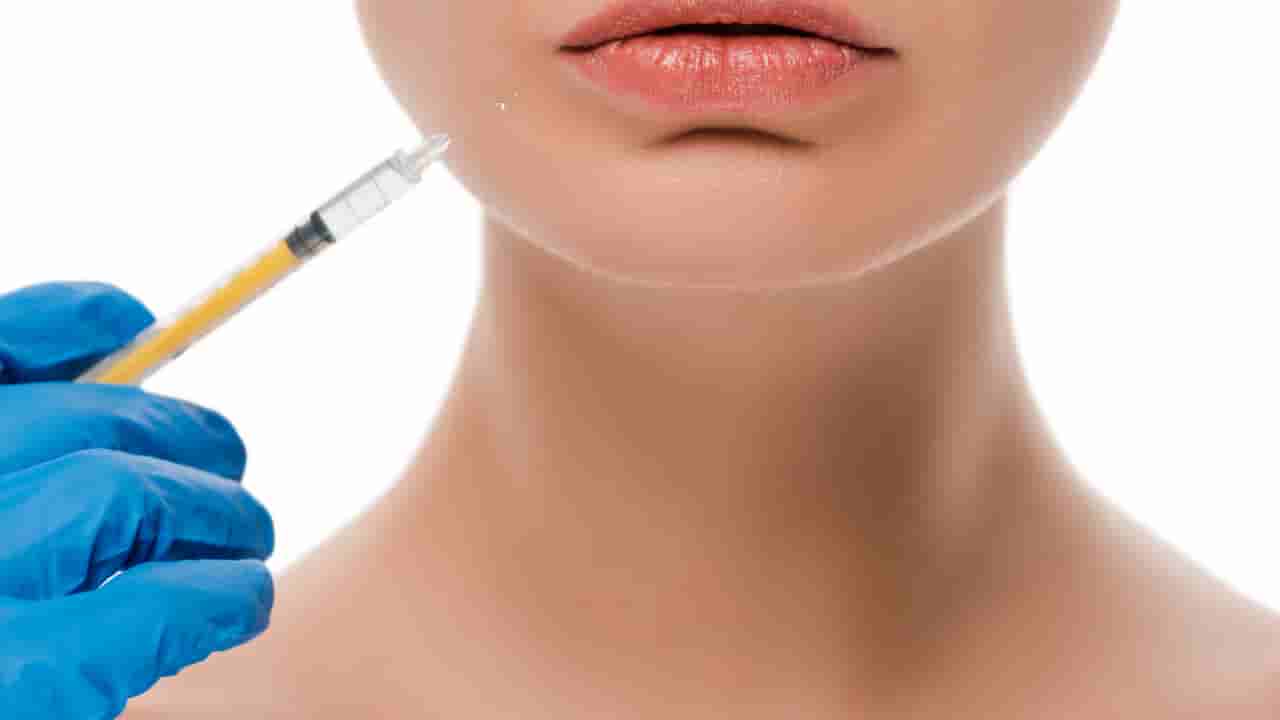
As we delve into the latest trends and assess their effectiveness, it becomes evident that this burgeoning field blends innovation with individuals' desires for minimal discomfort and rapid results. In recent years, injectables such as botulinum toxin (commonly known as Botox) and dermal fillers have dominated the market. They reduce the appearance of wrinkles and replenish lost volume, respectively, offering a youthful visage with mere minutes of treatment time. Hyaluronic acid-based fillers are particularly favored due to their compatibility with body tissues and reversible nature should results not meet expectations. Another trend on the rise is laser therapies which address a plethora of skin concerns from hyperpigmentation to texture irregularities.
Additionally, intense pulsed light (IPL) treatments have gained traction for their versatility in treating sun damage alongside vascular lesions. Moreover, nonsurgical body contouring technologies like cryolipolysis (popularized by CoolSculpting) have emerged as formidable options for reducing stubborn fat pockets without incisions or anesthesia. Similarly, radiofrequency treatments offer cellulite reduction and skin tightening benefits by heating deep layers of tissue to stimulate collagen production. In terms of effectiveness, many non-invasive procedures provide noticeable improvements though they typically require ongoing maintenance sessions to sustain results over time.
The success depends largely on individual factors including age, skin type, and lifestyle habits; thus personal consultation with a qualified practitioner is crucial before embarking on any cosmetic enhancement journey. Despite promising outcomes, it's vital to maintain realistic expectations - these treatments cannot replicate the dramatic changes achievable through surgical means but instead offer subtle refinements. Complications are rare yet possible; thus safety protocols must be rigorously followed during administration. To conclude, non-invasive cosmetic procedures continue to revolutionize the beauty industry through innovative technology that caters to consumer demand for safer alternatives with diminished recuperation periods. While their efficacy is generally favorable when performed correctly under professional guidance, continuous research is imperative for optimizing techniques and ensuring patient satisfaction in an ever-evolving landscape.
These choices are not solely grounded in achieving aesthetic enhancement but also encompass the profound implications on an individual's psychological well-being, societal pressures, and the inherent risks associated with surgical interventions. The pursuit of physical beauty or the correction of perceived flaws must be carefully balanced against moral responsibilities. Surgeons are obliged to uphold principles such as non-maleficence, ensuring no harm comes to their patients; beneficence, actively seeking patient welfare; autonomy, respecting patient choices; and justice, providing fair treatment without discrimination. Such foundational ethics become particularly crucial when navigating the blurred lines between elective procedures for cosmetic purposes and reconstructive surgeries intended for functional or reparative reasons.
However, it is incumbent upon ethical practitioners to ascertain whether these expectations are realistic and achievable. There exists an obligation to thoroughly inform patients about potential outcomes, recovery processes, long-term implications, and possible complications associated with surgery. Furthermore, societal factors cannot be disregarded when contemplating ethical considerations within this specialty. The media frequently bombards individuals with images depicting idealized body types which may contribute to distorted body image perceptions among the populace.
Moreover, issues like informed consent acquire added complexity in this context due to the elective nature of many plastic surgeries. It is essential that consent be genuinely informed—patients must understand not just what they are consenting to but also grasp the gravity of their decision beyond surface-level improvements. Equally important is addressing disparities in access to cosmetic surgery based on socioeconomic status or geographic location which can give rise to ethical dilemmas concerning fairness and equity in healthcare services provision. Lastly, advancements in technology continually introduce new techniques and materials into the field of cosmetic surgery—each heralding its own set of ethical challenges relating to safety profiles, long-term research validation, and professional competence in deploying such innovations effectively.
In conclusion, while plastic and cosmetic surgery offers incredible possibilities for transformation and reconstruction alike—it demands careful contemplation over ethical aspects. From honest communication about realistic outcomes all way upholding equality access across different populations segments—the intertwining complexities these considerations present must navigated with empathy integrity vigilance ensure positive impact lives those who choose walk path surgical alteration. Post-Surgical Care and Minimizing ScarringPost-surgical care is an essential aspect of any surgical procedure, playing a pivotal role in ensuring optimal healing and reducing the likelihood of complications. A crucial element within this post-operative period is the minimization of scarring—a concern for many patients following surgery.
This involves maintaining cleanliness to prevent infection, which can exacerbate scar formation. Infections not only delay healing but also increase inflammation, potentially leading to more pronounced scars. Another key strategy in post-surgical care is adherence to your physician's instructions regarding activity limitations.
It's vital that patients follow their prescribed rest periods and gradually reintroduce activities as recommended by their healthcare provider. Moreover, hydration plays a critical role in skin elasticity and overall health. Well-hydrated skin tends to heal better and form less noticeable scars.